You can listen to today’s devotion by clicking on this SoundCloudlink.
“The grass withers, the flower fades, but the word of our God will stand forever.” Isaiah 40:8 English Standard Version
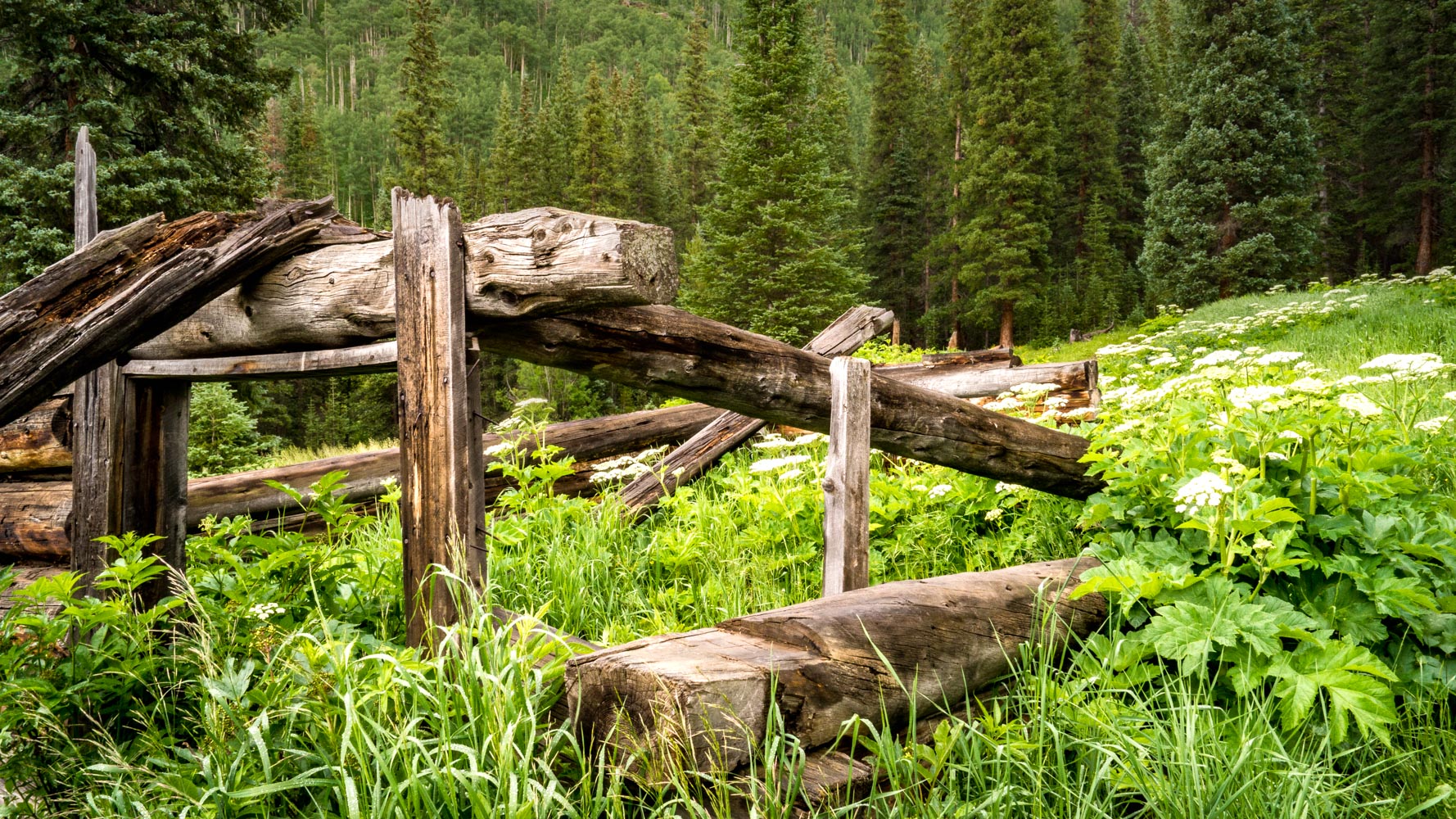
I don’t know who lived here, how long they lived here, or why they lived here at Shrine Pass.
Shrine Pass, Colorado
The evidence of their existence is here, but we’re only left to imagine who they were. Maybe it was a young man whose wife died in child-birth and he was escaping the pain. Maybe it was an outlaw who had given up his lawless ways and did want to do time in jail. Maybe it was a miner who sought his fortune in the mines of the Rocky Mountains.
Whoever lived here has long disappeared.
Life is transitory and fleeting. The older we get the faster the clock turns. What seemed an eternity as a child is now a blip on the screen of our lives. “The grass withers, the flower fades,” seems more true the older we get.
Isaiah comforts his listeners not with words of their importance, but of the reality of God’s word. What God says lasts forever.
So, what has God said?
He loves the world (John 3:16)
We are saved through faith (Ephesians 2:8)
There is no condemnation for those who are in Christ Jesus (Romans 8:1)
We will disappear like the person who lived in this home, but the truth of God’s word will never vanish. You can count on it.
You can listen to today’s devotion by clicking on this SoundCloudlink.
“For everything there is a season,
and a time for every matter under heaven:
…a time to keep silent and a time to speak…” Ecclesiastes 3:1,7b English Standard Version
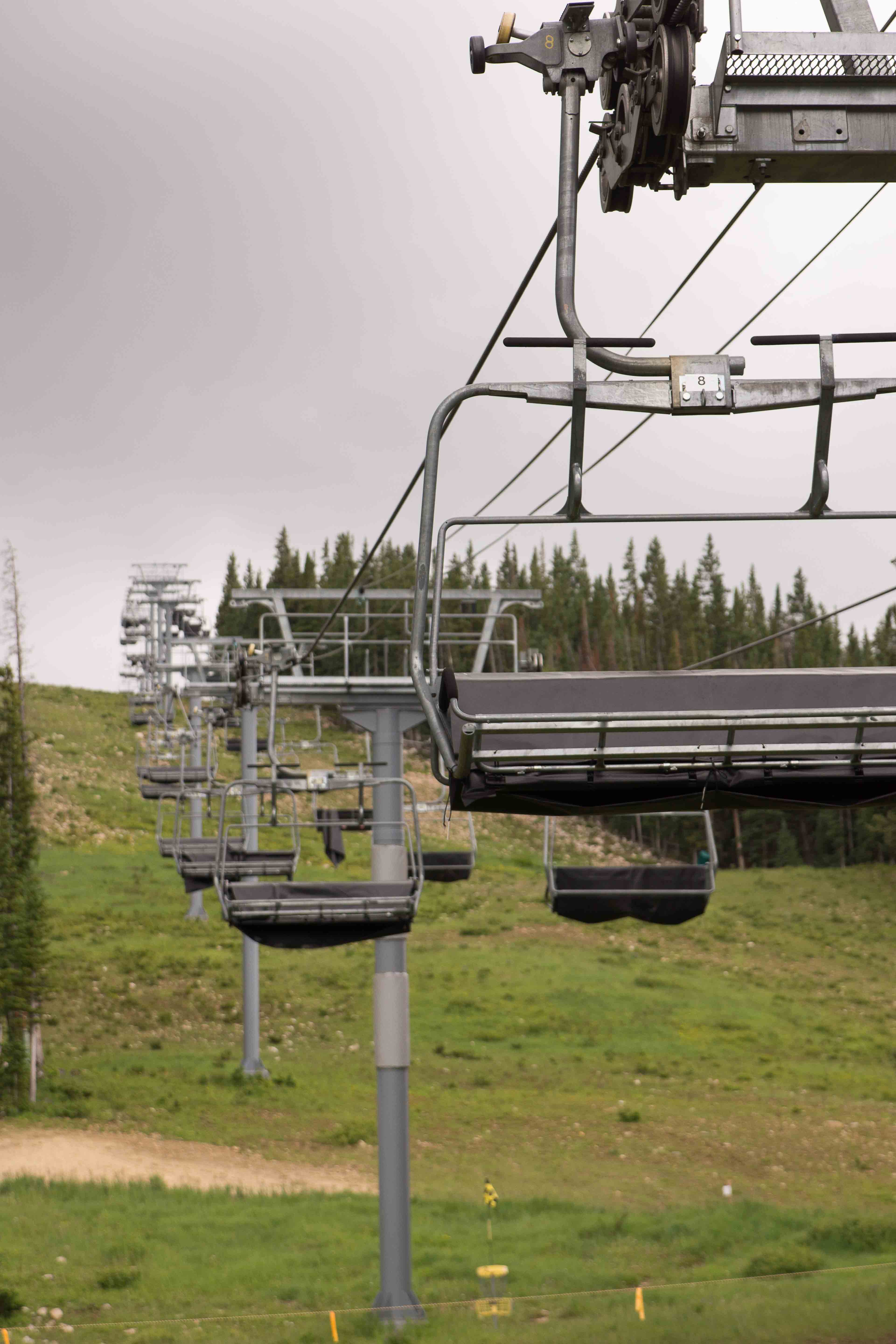
It’s odd to see this chairlift idle because they’re anything but idle right now.
Beaver Creek, Colorado
It’s winter in Colorado and the chairlifts are working overtime. Some people are stuck in lift lines that seem longer than the line of people waiting to ride the Pirates of the Caribbean at Disney World. The chairlifts might even be looking forward their rest at the end of the day.
That’s not the case in the summer. Though many of the Colorado resorts run their gondolas during the summer, most chairlifts sit idle, enduring summer thunderstorms and waiting to break free from their long layoff.
This idle chairlift reflects the point of the Preacher in Ecclesiastes. Many of us have read or heard the words of the Preacher in Ecclesiastes 3:1-8, especially if we know the hit song by the Byrds, “Turn, Turn, Turn.” There is a time for the chairlift to work and time for it to sit idle. The Preacher makes the same contrast in his poem. He speaks of “a time to be born and a time to die,” “a time to laugh and a time to cry.”
One contrast that is often overlooked is the difference between speaking and keeping silent.
We frequently believe that when people experience tragedies, we must give them words of comfort, when in reality what they need is our presence without words.
My appendix ruptured in 1982 and I was in the hospital for ten long days. About the third day I was in pain and feeling depressed. My brother-in-law visited me that day. He didn’t say a word, only sat at the foot of my bed. It was the best thing he could have done.
Yet, there are times that God calls us to speak. There are times when we’re gathered with friends and we feel the prompting to say something. We might even know exactly what we’re to say. In those moments, not speaking is as inappropriate as saying something when we ought to listen.
But, how do we know when to speak and when to keep silent? We understand the words of the Preacher. They’re clear, not ambiguous, yet it’s hard to know when to speak and when not to speak.
What complicates this decision is the fact we make speaking or keeping silent about us and not the person who’s struggling. Jesus was often moved by compassion when he helped another person. He wasn’t thinking about himself when he sacrificed himself that we might be healed.
Instead of asking the question should I speak or keep silent, maybe we would be better off looking at the person with a heart of compassion and trusting that God will lead us to say what is right or remain silent.
There is a time for us to speak and a time to keep silent. May God give us wisdom through his compassion to discern the right time.
Hope is empowered by God’s faithfulness to his promises.
You can listen to today’s devotion by clicking on this SoundCloudlink.
“Send out your light and your truth; let them guide me. Let them lead me to your holy mountain, to the place where you live.” Psalm 43:3 New Living Translation
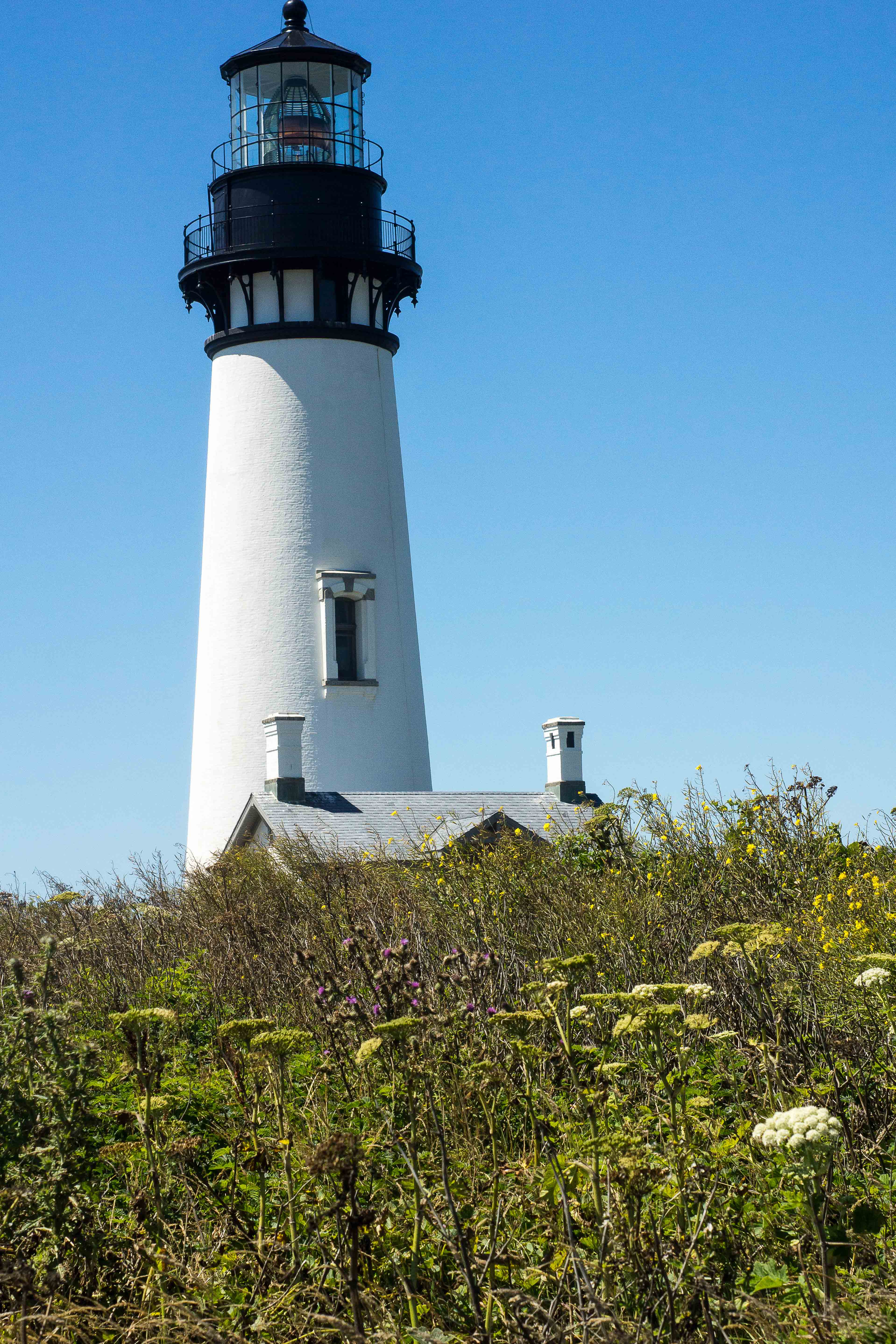
The Yaquina Head lighthouse stands tall on the Oregon Coast, the tallest of all the lighthouses in Oregon. As such, the brutal coastal storms beat against it and yet it continues to shine.
Yaquina Head, Oregon
The psalmist claims that God’s light will lead him to the place where he resides. That place is called God’s “holy mountain.” The psalmist understood that God’s glory dwelt where his ark resided.
God’s light shines through the struggles of life.
But why does the psalmist ask for God’s light to guide him? We might believe that things are going well for the psalmist if we pull this verse out of its context, that it was his joy leading him to God’s holy hill, yet that is not the case.
In verse one the psalmist pleads with God to deliver him from ungodly men. In verse two he asks God why he has rejected him. In all of his struggles he finds his hope in his God (v. 5)
Maybe that sounds like your life. You’re surrounded by people who want nothing more than to make your life miserable. God seems distant, and yet you place your hope in God; hope that his light will guide you into his presence.
Sometimes hope doesn’t make sense, it doesn’t have to. We place our trust in God because of his faithfulness to his promises. All of God’s promises meet their yes in Jesus as God was faithful to his promise to redeem us.
Because of God’s faithfulness, we trust that his light will lead us to that place where he dwells.