Categories
Inspiration

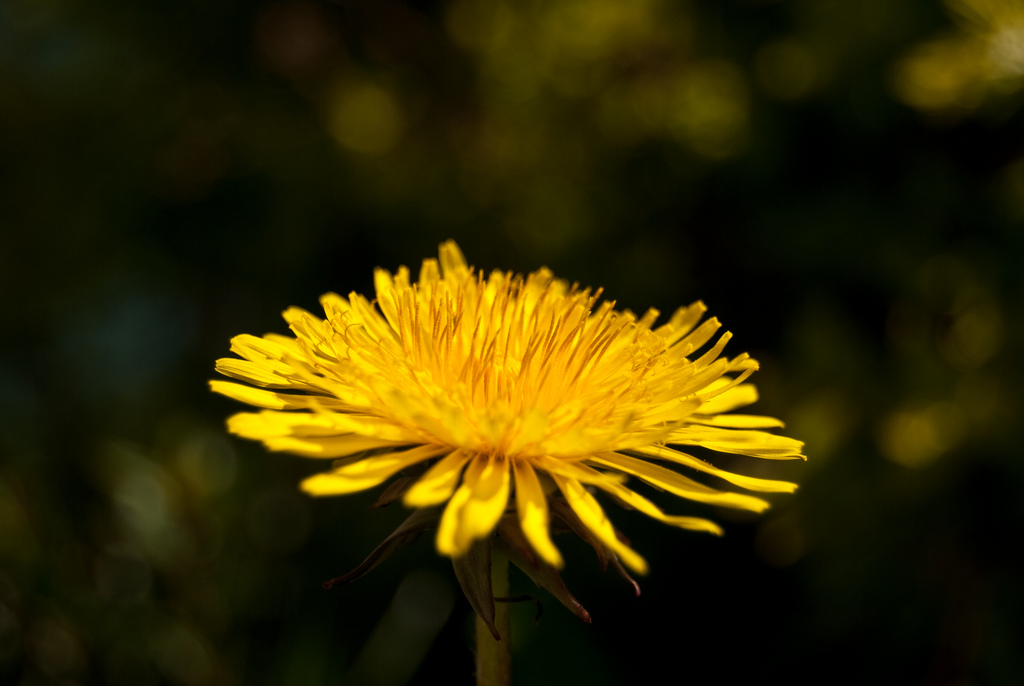
Dandelion Flower – by Kimmie Roberts

Photo Copyright: Lain Watson, “Dandelion” Flickr https://goo.gl/dnPTaq http://creativecommons.org/licenses/by/4.0/

I work at an early childhood center just outside of Spokane, Washington. It’s a blessing to get to work with children and I’m amazed at all the things they teach me. One day last week we went out to play on the playground which is something we do everyday. Most days I’m patrolling the playground breaking up arguments about soccer teams and making sure the kids don’t go head first down the slide. But one day last week, something different happened.

As I’m standing watching the kids, A five year old little boy (we’ll call him Andrew) came running up to me holding a bright yellow flower.

He had found it on the playground. Andrew then said, “Mrs. Kimmie, can you keep this safe all day?” I responded with a “Well, why Andrew?” I noticed he was holding something in his hands.

And he said, “ I want you to keep it safe so that I can give it to my mom when she picks me up. She loves flowers and I know this flower will make her day. So can you Mrs. Kimmie? Can you keep it safe?”

I took that little yellow flower and I put it in a Dixie cup of water and I put it on the teachers counter.

What’s interesting though is to this little boy it was this beautiful flower but to the adult, to me, this yellow flower is a dandelion. It’s a weed.

What’s crazy is that Andrew picked this for his mom, because he knew she loved flowers and it would make her day. Yet, that very morning I was telling my husband that he needed to get rid of all the hideous weeds in our backyard.

As we age our vision changes but it’s more than just degeneration. We lose the ability to see beauty among the weeds. Our eyes focus on the bad, the ugly, and the downright scary.

See, Andrew had the ability to see more than I could that day. He saw a flower and saw an opportunity to brighten his Mommy’s day.

As I age, I’m saddened by the things I cannot see anymore. I wish I could see the world as Andrew see’s it but more importantly, I wish I could see what God see’s. Most days I feel like that dandelion and the world yells how ugly I am.  I am a sinner. I am a weed.

But God looks at me like Andrew looked at the flower when he handed to me. I am beautiful yellow flower and I’m hand picked sitting on the teachers counter- to brighten my Savior’s day.

______________________________
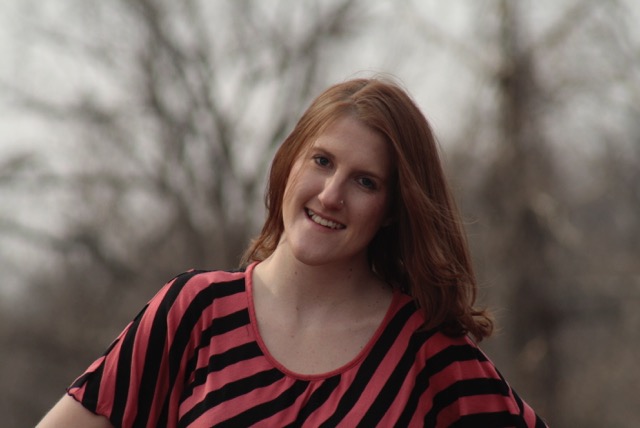
Kimmie RobertsI am a Colorado Girl at heart. I grew up in Colorado Springs, CO and I am a daughter of Holy Cross Lutheran Church. I went to college at Concordia University in Seward, Nebraska. I earned my degree in Behavioral Science with a minor in youth and then I received my DCE certification. I served as a DCE intern in North Carolina and following that I was the Director of Children, Youth, Family and Worship Ministries at a congregation in IL. I l left that congregation and moved to Idaho where I then married the love of my life and I now am serving as a teacher at a Child Development Center in Liberty Lake,Washington.
Categories
Devotional Resources

Devotional Guide: Calmness

VISIO DIVINA – DIVINE SEEING

HEARING God’s Word, SEEING God’s Word, PRAYING God’s Word

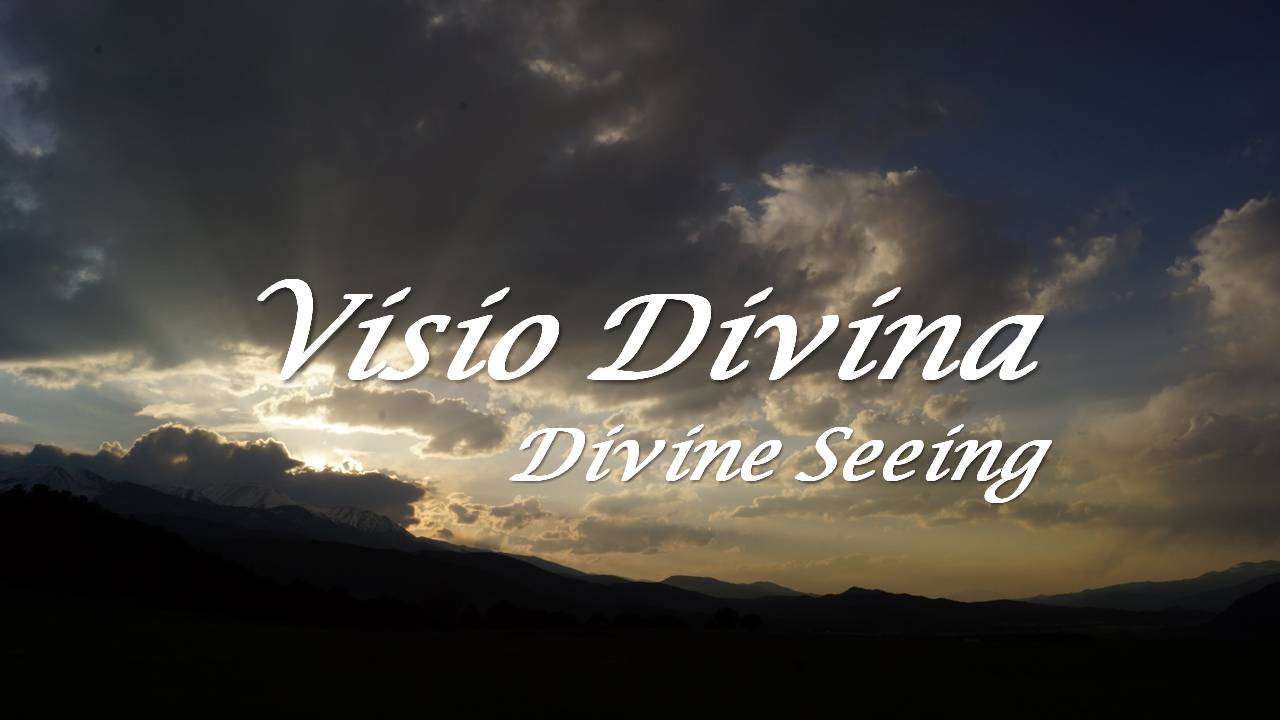
The term, visio divina, is Latin for “divine seeing.” The practice of the visio divina is a method of connecting God’s Word with God’s creation using visual arts.

Theme: Calmness

"Let not your hearts be troubled"
“Let not your hearts be troubled”

Scriptures: Psalm 29; 1 Kings 19:1-18; Isaiah 9:1-7; 2 Corinthians 5:4-7

Suggestions for how to practice the visio divina

  1. Place the name of God on your forehead by making the sign of the cross and saying, “In the name of the Father, and of the Son and of the Holy Spirit. Amen.”
  2. Pause for a few moments with your eyes closed and take five to ten deep breaths.
  3. Look at the picture and take notice of any figures, shapes, colors or textures appeal to you.
  4. Read on of Scriptures under the picture, beginning with the Psalm. It is helpful if you use the same Scripture for a few of days (there is no hurry to finish the visio divina). Do not read the Scripture for the purpose of study, but let it speak to your heart. Take note of the emotions as well as the thoughts this passage brings to mind.
  5. Connect the Scripture to the picture. Are there common or uncommon elements between the two? Are there godly desires that you find rising to the surface of your thoughts? What is God revealing to you about who you are, about who God is?
  6. Now pray the Scriptures and picture using what you have discovered during this visio divina time.
  7. Finish by saying (if you use the visio divina in the morning), “May God order and direct my day through Jesus Christ according to his word, ” or (if you use the visio divina at night), “Grant me, O God, a restful night in Jesus Christ according to your word.”
  8. Either go about your daily routine, or lay you head on your pillow in peace.

If you like to write, you might consider journaling your thoughts when you are finished (not during) your time of meditation on God’s word.

Click on the picture to view a larger version.

God bless this journey of divine seeing.

Copyright Douglas P. Brauner

Categories
PWTE Daily Devotion

Belonging to the Lord

We are comforted by the knowledge that everything belongs to the Lord, including people.

By clicking on this SoundCloud link you can listen to today’s PWTE devotion

“The earth is the LORD’s and the fullness thereof,
the world and those who dwell therein,
for he has founded it upon the seas
and established it upon the rivers.”
Psalm 24:1-2 English Standard Version

I’ve been fortunate to visit Canada, Germany, Mexico, Honduras and Peru. After the initial nervousness of being eyeballed by customs agents and acknowledging that I don’t understand the language, I realize that there are similarities to life in the United States.

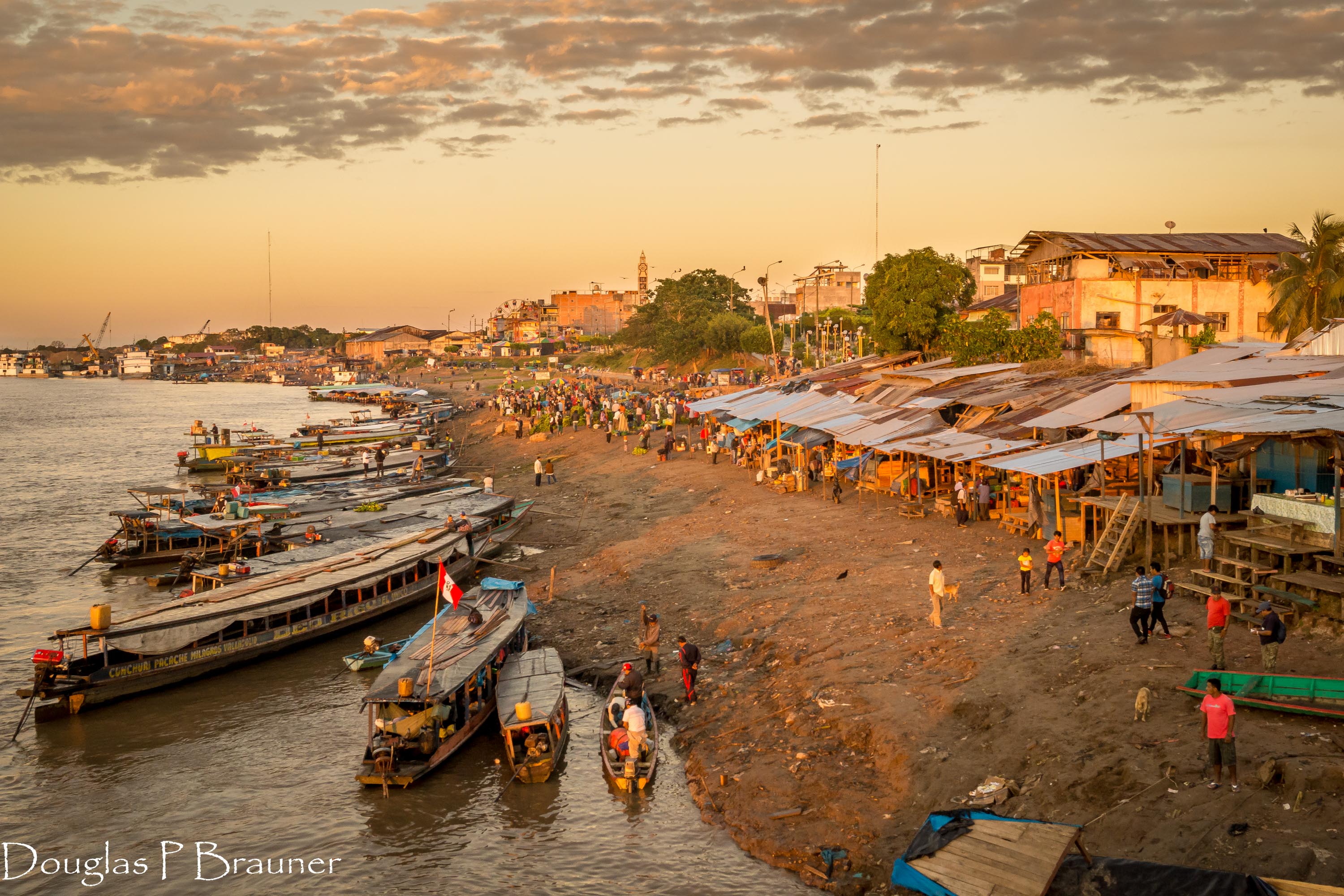
Pucallpa, Peru
Pucallpa, Peru

This scene of people milling about the shore of the Ucayali River in Peru happens in many places. Does it look the same? No, there are differences between the waterfront in Portland, Oregon, and that of Pucallpa. You don’t find the amount of trash littering the banks of the Willamette River like you do the Ucayali.

What makes the two scenes similar are the people. When I took this picture there were people standing by themselves and others forming groups. There were people working and others watching. People spoke, laughed and ignored each other. Though I was thousands of miles away from my home, there was something familiar about this experience.

King David reminds us that the earth is the Lord’s including the people who call this orb home. This fact comforts us when all we see around us is chaos, brokenness and sin. The Christian community confesses that our God has called this world into existence, and into its existence he has sent his Son to redeem God’s people.

It’s easy to get caught up in what is wrong with the world rather than confess that our God is present and over all in this world.

As you go about your daily routine, take a moment and watch people. And as you’re observing life, hear King David’s words whispering in your ear, “The earth is the Lord’s and the fullness thereof.”

Copyright Douglas P. Brauner